Tito’s Flight to Belpunt
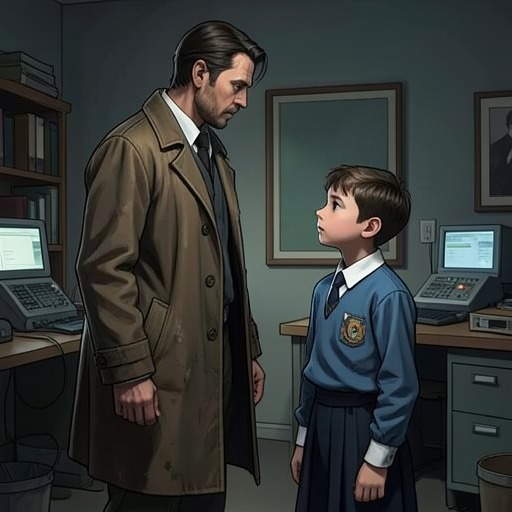
The Glass Bead GameTito’s Flight to Belpunt is the episode in which Tito Designori slips away just as Joseph Knecht is about to become his tutor. His disappearance briefly alarms his parents, but a note shows that he has gone to the mountains and intends to meet Knecht at Belpunt. The flight is therefore both a youthful act of defiance and a negotiated beginning: Tito claims one last independent journey, while Knecht responds not with punishment but with understanding, setting the tone for their relationship.
The Disappearance and Its Explanation
Tito is missing when Knecht arrives at the Designori home. His mother, Madame Designori, reports that he has been gone all day; she first assumed he had taken a walk and expected him back, but by the time she speaks to Plinio Designori her uncertainty has become anxiety. The timing gives the absence its particular force: Tito knew Knecht was coming and knew of the plan to place him under the new tutor’s care.
Knecht asks whether Tito had known about those plans. Madame Designori confirms that he had, and that he had seemed willing to accept them—or at least preferred Knecht to being sent back to school. Knecht reads the disappearance as a protest against the prospect of a tutor and disciplinarian, and suggests that Tito may be seeking delay rather than a permanent escape. His explanation reframes the crisis: the boy’s action is a bid to show resistance to adults and teachers, not evidence that he has vanished without a destination.
The Note and the Family’s Relief
Rather than allow Plinio’s alarm to deepen, Knecht directs him through controlled breathing exercises. The rhythmical commands distract Plinio from the anxiety he has magnified and help him return to rational judgment. Knecht treats this as practical instruction, using the unexpected absence to teach his former pupil how to meet a psychological shock instead of being carried away by it.
In Tito’s room, among his boyish possessions, Knecht finds a note tucked into a book on the bedside table. It says that Tito left at daybreak for the mountains alone and will wait at Belpunt for his new teacher. Tito hopes his parents will not object to this last little jaunt before his freedom is restricted again; the prospect of making the journey under a teacher’s supervision had weighed on him. The note turns an unexplained disappearance into a declared rendezvous. Knecht accepts Tito’s reasoning, says he will leave for Belpunt the next day, and asks Plinio to tell his wife that their son is safe.
The discovery changes the atmosphere in the house. Plinio’s alarm gives way to relief, and the rest of the day becomes happy and relaxed. At Plinio’s insistence, Knecht recounts recent events, including his two conversations with Master Alexander. The scene thus places Tito’s flight within a larger transition in Knecht’s life, while keeping the immediate family crisis resolved by a concrete message left behind by the missing boy.
The Meeting at Belpunt
The next day, Plinio has a car hired to take Knecht toward the mountains. As the landscape rises from the lowlands into the foothills and then into high, austere country, Knecht’s good humor returns. At a small cottage near a mountain lake, among gray cliffs, he sees Tito standing in the open doorway in a colorful jacket and shorts. Knecht had not been seriously worried, but seeing his pupil waiting for him brings a grateful sense that the possible complications have been settled.
Tito meets him smiling, friendly, and somewhat embarrassed. While helping Knecht out of the car, he apologizes for making him travel alone and says that he thought Knecht understood his feelings; otherwise, he assumes, Knecht would have brought his father. Tito has already let Plinio know that he arrived safely. His words confirm the meaning of the flight: he wanted to make the journey independently, not sever contact with his family or reject Knecht outright.
Knecht laughs and shakes Tito’s hand. Once inside, he rests before supper, then spends the evening talking with the boy and looking at Tito’s collections of mountain flowers and butterflies. The encounter concludes not with discipline or reproach but with shared time in the new surroundings. When Tito proposes a long walk the next morning to show Knecht the area, Knecht readily agrees. Tito’s flight has secured the independent arrival he wanted, but it also brings teacher and pupil together on terms less rigid than he feared.
The Episode’s Turning Point
The episode balances resistance with trust. Tito does not simply submit to the arrangement made by the adults: he leaves before the tutor can take charge and chooses to travel alone. Yet he names Belpunt as his destination, leaves a note, and informs his father when he arrives. The details distinguish his gesture from an attempt to disappear altogether. He asserts a measure of freedom while keeping open the path to the very teacher whose arrival he had dreaded.
Knecht’s response is equally important. He interprets the flight sympathetically, addresses Plinio’s fear before it becomes a confrontation, and travels to meet Tito without bringing the boy’s father along. At Belpunt, Tito recognizes that he has been understood. The episode therefore establishes their tutorship through an act of mutual adjustment: Tito’s independence is acknowledged, while Knecht’s authority begins through attention and restraint rather than immediate rules, schedules, or reports.